

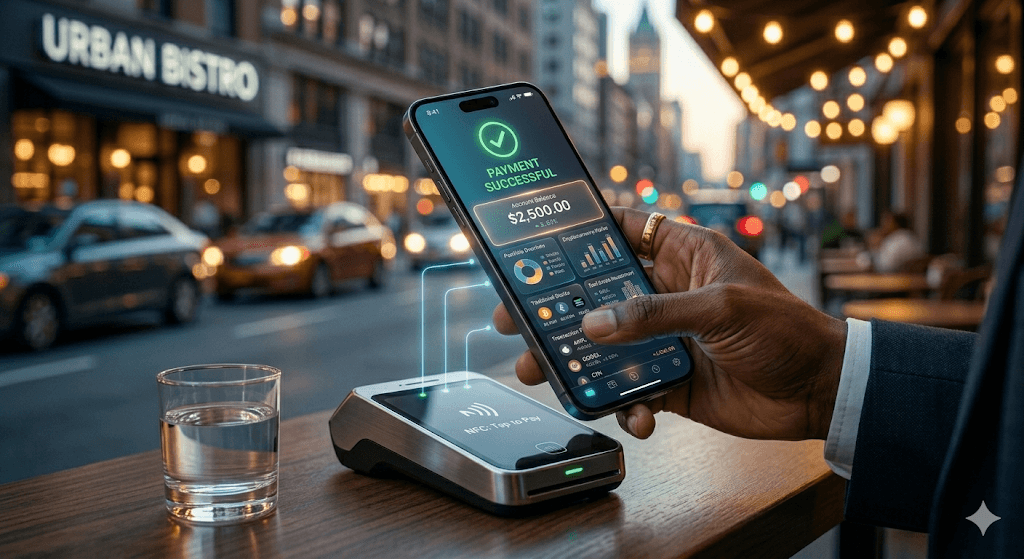
FINANCE ZONE | In the span of just a decade, the way humanity interacts with currency has undergone a radical metamorphosis. We have transitioned from the tactile exchange of paper bills to the invisible flick of digital data. At the center of this financial storm is the e-wallet, a technology that has rapidly evolved from a niche convenience into an indispensable pillar of the modern global lifestyle. Whether you are navigating the high-tech streets of Tokyo, the bustling markets of Jakarta, or the corporate corridors of New York, the digital wallet has become the primary bridge between consumer desire and merchant fulfillment.
The Death of the Physical Billfold
For centuries, the leather wallet was a symbol of adulthood and responsibility. It held our identities, our family photos, and our hard-earned cash. However, as we move further into 2026, the physical wallet is facing obsolescence. The rise of the e-wallet is not merely a change in medium; it is a fundamental shift in the psychology of spending.
Modern consumers now prioritize friction-less experiences. The act of reaching for a back pocket, fumbling through bills, and waiting for change is increasingly viewed as an archaic inefficiency. In its place, the smartphone has emerged as the ultimate “Super-Tool,” centralizing our communication, entertainment, and now, our entire financial existence.
A Global Phenomenon: From West to East
The adoption of digital payment systems has not been uniform, yet its impact is universal. While the Western world saw a steady climb through services like Apple Pay, Google Wallet, and PayPal, other regions took giant leaps that bypassed traditional banking altogether.
The Rise of the Super-App in Asia
In China and Southeast Asia, the e-wallet is synonymous with daily survival. Platforms like Alipay, WeChat Pay, Grab, and GoTo (Gojek) have created “Super-Apps.” These ecosystems allow a user to book a ride, order gourmet dinner, pay utility bills, and invest in money market funds—all without ever leaving a single application. This level of integration has set a global benchmark for what a financial tool can be.
The Western Shift Toward Contactless
In Europe and North America, the shift was catalyzed significantly by the global events of the early 2020s. The demand for “contactless” everything turned digital wallets from a “cool feature” into a health-conscious necessity. Today, even small-scale vendors at local farmers’ markets in London or San Francisco expect a digital “tap” rather than a twenty-dollar bill.
Why the E-Wallet is Winning: Convenience Meets Innovation
The success of the digital wallet lies in its ability to solve multiple pain points simultaneously. It is not just about paying; it is about the entire lifecycle of a transaction.
1. The Frictionless Transaction
The integration of Near Field Communication (NFC) and QR code technology has reduced transaction times to mere seconds. For the high-paced urbanite, this efficiency is addictive. When your watch or phone can handle your subway fare, your morning latte, and your grocery bill with a biometric scan, going back to cash feels like a step into the past.
2. The Rewards Ecosystem
Unlike traditional cash, an e-wallet provides data-driven value. Loyalty points, cashback rewards, and instant discounts are baked into the software. This creates a gamified financial experience where consumers feel they are “winning” by choosing digital over physical.
3. Granular Financial Tracking
One of the greatest benefits for the modern spender is the instant visibility of data. Every cent spent is categorized, timestamped, and graphed. This level of transparency allows for better budgeting and financial mindfulness, a stark contrast to the “where did my money go?” mystery often associated with cash spending.
Security Paradigms: Safer Than Your Pocket?
A common hurdle for late adopters has always been the fear of digital theft. However, cybersecurity experts argue that a properly configured e-wallet is significantly more secure than a physical one.
Tokenization: When you pay with a digital wallet, your actual credit card number is never shared with the merchant. Instead, a “token”—a unique, one-time-use code—is sent. Even if the merchant’s database is compromised, your financial details remain hidden.
Biometric Locks: A lost leather wallet is an open invitation for a thief. A lost smartphone, however, is a brick of encrypted data. Without a fingerprint, face scan, or complex PIN, the funds remain inaccessible.
Remote Deactivation: In the event of a lost device, users can remotely wipe their digital wallets via the cloud, ensuring that their financial identity remains intact.
Social Impact: Financial Inclusion for the Unbanked
Perhaps the most noble achievement of the e-wallet is its role in global financial inclusion. In many developing nations, a significant portion of the population lacks access to traditional brick-and-mortar banks. However, mobile phone penetration is high.
Digital wallets have empowered millions by providing a secure place to store value and receive payments without the need for a formal bank account. This has unlocked entrepreneurship in rural areas, allowed for safer remittances from workers abroad, and integrated marginalized communities into the formal global economy.
The Future: AI, Wearables, and Beyond
As we look toward the horizon, the e-wallet is poised to become even more intelligent. We are entering the era of “Autonomous Finance.”
AI-Driven Wealth Management
Imagine a digital wallet that doesn’t just hold your money, but manages it. Using AI, future wallets will automatically move “lazy” cash into high-yield accounts, warn you if your subscription habits are exceeding your income, and even negotiate better rates with service providers on your behalf.
The Integration of Wearables and IoT
The “wallet” of the future may not even be a phone. It could be a ring, a pair of glasses, or even integrated into the dashboard of your autonomous vehicle. As the Internet of Things (IoT) expands, our environments will become “shoppable,” where the e-wallet acts as a background layer of our reality, handling payments silently as we move through our day.
Conclusion: Embracing the Digital-First Mindset
The transition to a digital-first financial lifestyle is no longer a matter of “if” but “when.” The e-wallet has proven itself to be more than a trend; it is a fundamental evolution of human trade. By offering a blend of high-speed efficiency, robust security, and deep financial insights, it has earned its place as an inseparable part of modern life.
As we continue to innovate, the boundaries between our digital and physical lives will continue to blur. For the global citizen, the digital wallet is not just a tool for spending—it is a passport to a more connected, efficient, and inclusive future. Embracing this technology means embracing a world where financial barriers are lowered and the power of the global market is quite literally in the palm of your hand.